
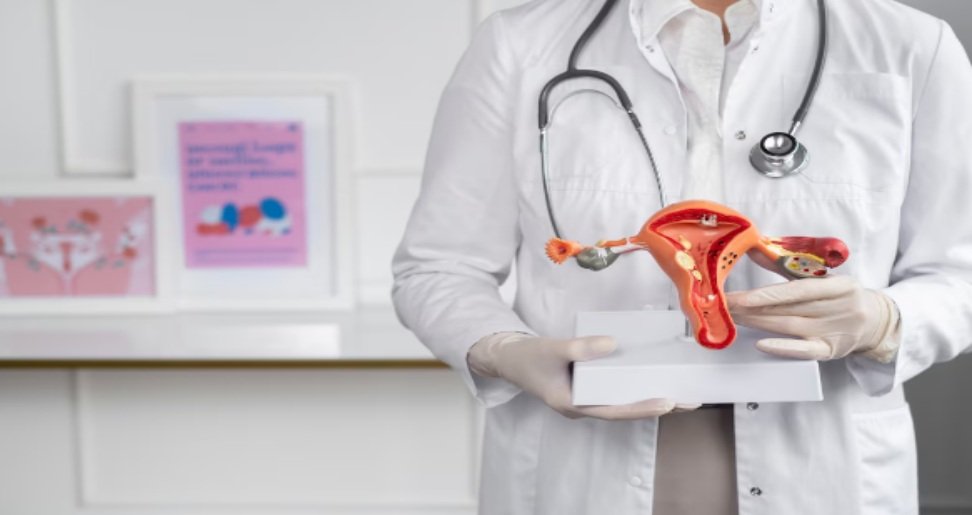
If you are thinking about uterus removal surgery, it’s important to understand the advantages and disadvantages of removing uterus before making a decision. Dr. Swati G Bhattacharjee explains the procedure, benefits, risks, recovery, and long-term effects in simple and easy language so every woman can feel confident about her health choices.
A hysterectomy is a surgery where the uterus is removed. After this procedure, periods stop permanently, and pregnancy is no longer possible. This guide will help you understand when the surgery is needed, which surgery is best for uterus removal, and what body changes after uterus removal you may experience.
What Is Uterus Removal Surgery?
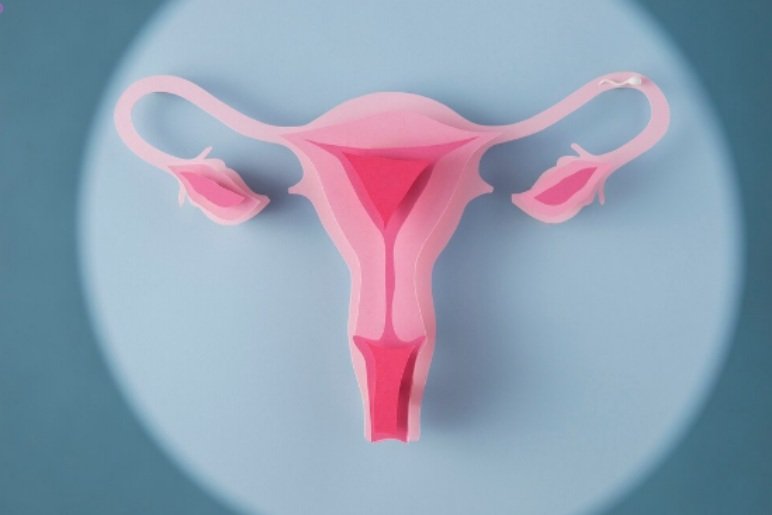
The uterus is the organ where a baby grows during pregnancy. When the uterus causes medical problems that cannot be treated with medicines, doctors may advise a hysterectomy.
Sometimes along with the uterus, doctors may also remove:
- Cervix
- Ovaries
- Fallopian tubes
Your doctor will guide you on what needs removal depending on your health condition.
Types of Hysterectomy
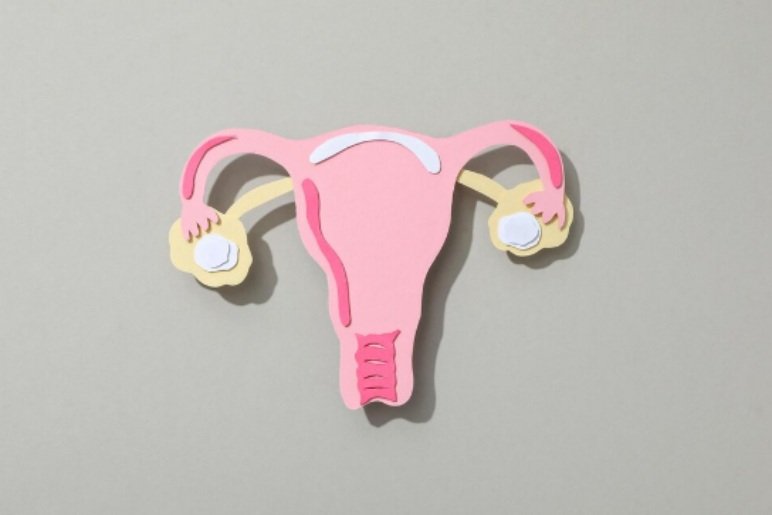
Understanding the different types helps you know which surgery is best for uterus removal based on your health needs.
1. Total Hysterectomy
Removes both the uterus and cervix.
2. Partial Hysterectomy
Only the uterus is removed; the cervix stays.
3. Complete Removal
Removes uterus, tubes, cervix, and ovaries.
4. Radical Hysterectomy
Includes the uterus and surrounding tissues. Usually recommended for cancer cases.
When Is Uterus Removal Needed?
Your doctor may suggest surgery if you have:
- Extremely heavy periods
- Severe abdominal pain
- Fibroids
- Endometriosis
- Uterus prolapse
- Cancer of uterus, cervix, or ovaries
Hysterectomy is usually suggested only after other treatments have failed.
Advantages and Disadvantages of Removing Uterus
Every surgery has good and bad sides. Here is a clear comparison to help you make the right choice.
Advantages
1. No More Periods
Bleeding and period pain completely stop.
2. Pain Relief
Chronic pelvic or abdominal pain caused by fibroids, endometriosis, or infections reduces significantly.
3. No Risk of Uterus Cancer
Removing the uterus eliminates the chances of uterine cancer.
4. Better Sleep & Lifestyle
Less pain means better sleep and improved daily life.
5. More Energy
Women often feel more energetic once pain and heavy bleeding stop.
Disadvantages
1. No Future Pregnancy
Pregnancy is not possible after the uterus is removed.
2. Surgery Risks
Infection, bleeding, and blood clots can occur after any major surgery.
3. Long Recovery Time
Full recovery takes 4–6 weeks.
4. Early Menopause (if ovaries removed)
Hot flashes, mood swings, and hormonal changes can start suddenly.
5. Emotional Impact
Some women may feel sadness or stress after surgery.
6. Sexual Changes
Lower desire and dryness can occur, but doctors can help manage this.
Body Changes After Uterus Removal
Knowing the body changes after uterus removal helps you prepare mentally and physically.
First Few Days
Mild bleeding, stomach discomfort, and tiredness are common.
After a Few Weeks
Bleeding slows down, pain reduces, and strength returns gradually.
No More Periods
Your monthly cycle ends permanently.
Weight Changes
Some women gain weight due to reduced activity during recovery.
Hormonal Changes
If ovaries are kept, hormones stay normal.
If removed, menopause begins immediately.
Scarring
Scars depend on the type of surgery—big cuts create bigger scars, while laparoscopy leaves tiny marks.
Which Surgery Is Best for Uterus Removal?
The best type depends on your medical condition. Here are the options:
1. Vaginal Hysterectomy
- No cuts on the abdomen
- Heals in 2–4 weeks
- Usually fastest recovery
2. Laparoscopic Hysterectomy
- Small cuts on the belly
- Minimal scars
- Quick healing
3. Robotic Surgery
- Very precise
- Healing similar to laparoscopy
4. Abdominal Hysterectomy
- One large cut
- Needed for cancer or very large fibroids
- Healing in 4–6 weeks
Your doctor will help determine which surgery is best for uterus removal in your case.
Pros and Cons of Hysterectomy
Here is a quick summary of the pros and cons of hysterectomy:
Pros
- Symptoms disappear completely
- No risk of uterine cancer
- Better quality of life
- No period-related worries
- Treats long-term health issues
Cons
- Cannot reverse the surgery
- Surgical risks
- Slow recovery
- May trigger early menopause
- Emotional support may be needed
Preparing for the Surgery
Before Surgery
- Blood tests
- Ultrasound or scans
- Stop smoking
- Arrange help at home
- Take time off work
Recovery After Surgery
During the First 6 Weeks
- Use pads only
- Avoid lifting heavy items
- No sexual intercourse
- Avoid bathtubs
- Walk slowly each day
- Rest often
Pain Management
- Take medicines on time
- Ice pack if doctor recommends
Returning to Normal
- Drive after 2 weeks
- Work in 2–6 weeks
- Exercise in 4–6 weeks
- Feel fully normal in 6–8 weeks
When to Call the Doctor
Seek medical help if you have:
- Heavy bleeding
- Fever
- Severe pain
- Vomiting
- Pain while urinating
- Red or swollen surgical cuts
Common Questions
Will sex change after surgery?
Most women have a normal sex life. If dryness or discomfort occurs, talk to your doctor.
Do I still need pap tests?
If the cervix is removed, you may not need them. If it stays, pap tests continue.
When will I feel fully normal?
Most women feel good in 6–8 weeks.
Will I gain weight?
Eat healthy and begin exercise when your doctor says it’s safe.
Making the Right Choice
Think about:
- Your age
- Whether you want children
- Severity of symptoms
- Other treatment options
Talk to your family, ask your doctor questions, and take your time to decide.
Dr. Swati G Bhattacharjee supports women with clear information to help them make confident health decisions.
Final Words
Understanding the advantages and disadvantages of removing uterus helps you prepare both mentally and physically. The body changes after uterus removal can be managed with proper care. Knowing which surgery is best for uterus removal and reviewing the pros and cons of hysterectomy ensures you make informed decisions.
Many women live healthier, happier lives after this surgery. With expert guidance and good self-care, you can recover smoothly and enjoy better health.
Have A Look :-