
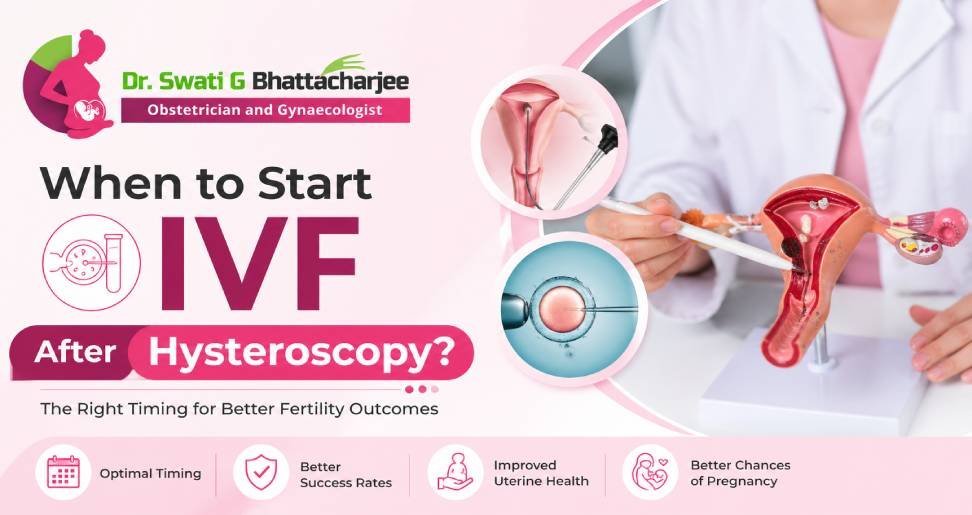
Infertility treatments have advanced significantly, offering hope to many couples trying to conceive. One such combination that often raises questions is hysteroscopy IVF. Understanding the relationship between hysteroscopy and IVF can help patients make informed decisions and improve their chances of a successful pregnancy.
In this blog, we’ll explore what hysteroscopy is, why it is performed before IVF, when to begin IVF after the procedure, and what outcomes you can expect.
What is Hysteroscopy?
Hysteroscopy is a minimally invasive procedure that allows doctors to examine the inside of the uterus using a thin, lighted instrument called a hysteroscope. It helps identify and treat abnormalities such as:
- Uterine fibroids
- Polyps
- Scar tissue (adhesions)
- Uterine septum
- Abnormal bleeding causes
This procedure is often recommended before IVF to ensure that the uterus is in optimal condition for embryo implantation.
Why Hysteroscopy is Done Before IVF
One of the most common questions patients ask is: Why hysteroscopy is done before IVF?
The answer lies in improving the success rate of IVF treatments. Even minor uterine abnormalities can interfere with embryo implantation. Hysteroscopy helps:
- Detect hidden uterine issues not visible in ultrasounds
- Remove growths like polyps or fibroids
- Improve uterine lining health
- Increase implantation success
By correcting these issues beforehand, hysteroscopy creates a more favorable environment for embryo transfer.
When to Start IVF After Hysteroscopy
The timing of IVF after hysteroscopy depends on the type of procedure performed.
1. Diagnostic Hysteroscopy
If no major issues are found and no surgical intervention is needed, IVF can often begin in the next menstrual cycle. Recovery is quick, and the uterus remains largely unaffected.
2. Operative Hysteroscopy
If abnormalities are treated (e.g., removal of fibroids or adhesions), doctors usually recommend waiting:
- 1 to 2 months for minor procedures
- 2 to 3 months for more extensive corrections
This waiting period allows the uterine lining to heal properly, ensuring better chances of implantation.
Successful IVF After Hysteroscopy
Many studies and clinical experiences show a higher rate of Successful IVF after hysteroscopy. This is because the procedure:
- Eliminates physical barriers to implantation
- Enhances uterine receptivity
- Reduces chances of early miscarriage
Patients who previously experienced failed IVF cycles often see improved outcomes after undergoing hysteroscopy.
However, success depends on several factors, including:
- Age of the patient
- Quality of embryos
- Overall reproductive health
- Experience of the fertility specialist
Hysteroscopy IVF Side Effects
While hysteroscopy is generally safe, it’s important to understand potential risks. Some Hysteroscopy IVF side effects may include:
Common (Mild) Side Effects
- Light vaginal bleeding
- Mild cramping
- Temporary discomfort
Rare Complications
- Infection
- Uterine perforation
- Fluid overload
Most side effects are temporary and resolve within a few days. Following your doctor’s post-procedure care instructions can minimize risks.
Benefits of Combining Hysteroscopy and IVF
Choosing hysteroscopy before IVF offers several advantages:
1. Improved Implantation Rates
A clean and healthy uterine cavity increases the likelihood of embryo attachment.
2. Reduced IVF Failures
Identifying hidden problems reduces repeated unsuccessful cycles.
3. Better Pregnancy Outcomes
Correcting abnormalities lowers miscarriage risks.
4. Personalized Treatment
Doctors can tailor IVF protocols based on hysteroscopy findings.
Who Should Consider Hysteroscopy Before IVF?
Hysteroscopy is particularly recommended for:
- Women with repeated IVF failures
- Patients with abnormal ultrasound findings
- Women with a history of miscarriages
- Those experiencing unexplained infertility
It may not be necessary for every patient, but it is highly beneficial in selected cases.
Preparation for IVF After Hysteroscopy
Once the uterus has healed, your fertility specialist will guide you through IVF preparation. This typically includes:
- Hormonal stimulation
- Monitoring follicle development
- Egg retrieval
- Fertilization in the lab
- Embryo transfer
Following medical advice strictly can significantly impact your IVF success.
Tips for Better IVF Success After Hysteroscopy
To maximize your chances:
- Maintain a healthy lifestyle
- Follow a balanced diet
- Avoid smoking and alcohol
- Manage stress levels
- Attend all follow-up appointments
These steps help support reproductive health and improve treatment outcomes.
Conclusion
The combination of hysteroscopy IVF plays a crucial role in enhancing fertility treatment success. By identifying and correcting uterine issues beforehand, hysteroscopy ensures that the uterus is ready for embryo implantation.
Understanding when to start IVF after hysteroscopy is essential for achieving the best results. While some patients can begin IVF in the next cycle, others may need a short recovery period depending on the procedure.
With proper timing, expert guidance, and a personalized approach, many patients experience successful IVF after hysteroscopy. Though there are minor hysteroscopy IVF side effects, the benefits often outweigh the risks.
If you’re planning IVF, consult your fertility specialist to determine whether hysteroscopy is the right step for you. It could be the key to turning your parenthood journey into a success story.
Have A Look :-
