
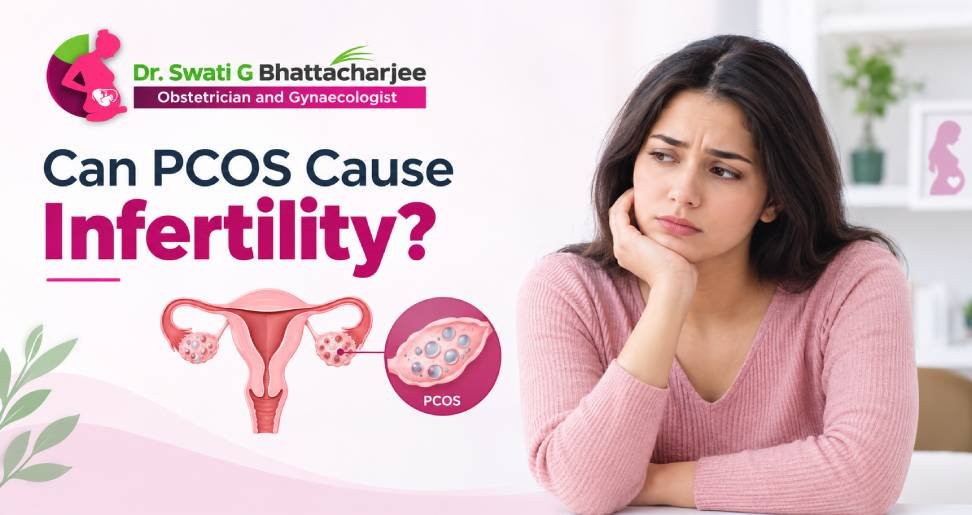
Polycystic Ovary Syndrome (PCOS) is a common hormonal condition that can affect women during their reproductive years. One of the major concerns associated with PCOS is difficulty becoming pregnant. However, having PCOS does not mean that pregnancy is impossible. With appropriate diagnosis, lifestyle changes, and medical treatment, many women with PCOS are able to conceive and have healthy pregnancies.
PCOS can affect fertility mainly because it may interfere with regular ovulation. Understanding the connection between PCOS and pregnancy can help women recognize symptoms early and seek appropriate care.
How Does PCOS Affect Fertility?
Ovulation occurs when an ovary releases an egg that can potentially be fertilized by sperm. In women with PCOS, hormonal changes may prevent regular ovulation or cause ovulation to happen less frequently.
PCOS is often associated with increased androgen levels and insulin resistance. These hormonal and metabolic changes can interfere with the normal development and release of eggs from the ovaries. As a result, menstrual cycles may become irregular, making it more difficult to predict ovulation and conceive.
Importantly, PCOS-related infertility is often related to irregular or absent ovulation rather than a permanent inability to become pregnant.
What Are the First Signs of PCOS?
The first signs of PCOS can vary from woman to woman. Some women experience noticeable symptoms, while others may have mild or no obvious symptoms.
Common early signs include:
- Irregular, delayed, or missed periods
- Very heavy or unusually light menstrual bleeding
- Increased facial or body hair
- Acne or oily skin
- Hair thinning or hair loss from the scalp
- Unexplained weight gain or difficulty losing weight
- Darkened skin, particularly around the neck or skin folds
- Difficulty becoming pregnant
Irregular periods are often one of the earliest signs because they can indicate that ovulation is not occurring regularly.
Having one or more of these symptoms does not automatically mean that a woman has PCOS. Other hormonal or medical conditions can cause similar symptoms, so proper evaluation is important.
What Causes PCOS in Women?
The exact cause of PCOS is not completely understood. Researchers believe that a combination of genetic, hormonal, and metabolic factors may contribute to its development.
Hormonal Imbalance
Women with PCOS may have higher-than-normal levels of androgens, sometimes referred to as male hormones. Excess androgen activity can interfere with normal ovarian function and contribute to acne, unwanted hair growth, and irregular ovulation.
Insulin Resistance
Insulin helps the body use glucose for energy. Some women with PCOS have insulin resistance, meaning their cells do not respond effectively to insulin. The body may then produce more insulin to compensate.
Higher insulin levels can contribute to increased androgen production by the ovaries, potentially worsening hormonal imbalance and affecting ovulation.
Genetic Factors
PCOS can sometimes occur more frequently among close family members. A family history of PCOS or related metabolic conditions may increase the likelihood of developing the condition.
Weight and Metabolic Factors
Excess weight does not directly cause PCOS in every woman, but it can worsen insulin resistance and hormonal disturbances in women who already have the condition. Maintaining a healthy weight can therefore be an important part of PCOS management.
PCOS Symptoms and Treatment
There is no single treatment that works for every woman with PCOS. Treatment generally depends on symptoms, reproductive goals, age, overall health, and whether pregnancy is desired.
Lifestyle Changes
Regular physical activity, adequate sleep, stress management, and a balanced eating pattern can support overall metabolic and reproductive health. For women who are overweight, even modest weight loss may improve insulin sensitivity and menstrual regularity.
A healthcare professional can help develop a realistic nutrition and exercise plan based on individual needs.
Medicines for Hormonal Symptoms
Depending on the situation, doctors may prescribe medicines to regulate menstrual cycles, manage androgen-related symptoms, or improve insulin sensitivity.
Fertility Treatment
For women trying to conceive, treatment may focus on helping restore regular ovulation. Depending on individual circumstances, doctors may recommend ovulation-inducing medicines and, when appropriate, other fertility treatments such as intrauterine insemination (IUI) or assisted reproductive technologies.
The right treatment depends on factors such as ovulation, age, ovarian function, sperm health, and other fertility considerations.
Can PCOS Cause Infertility?
PCOS is one of the common causes of ovulatory infertility. Because ovulation may occur irregularly or not occur in some menstrual cycles, conception can take longer.
However, infertility associated with PCOS is often treatable. Many women with PCOS conceive naturally, while others may require medical assistance to stimulate ovulation.
If a woman has irregular periods and is trying to conceive, speaking with a gynecologist or fertility specialist can help identify whether irregular ovulation is affecting her chances of pregnancy.
Can Women With PCOS Have a Healthy Pregnancy?
Yes. Women with PCOS can become pregnant and have healthy pregnancies. However, PCOS may be associated with an increased risk of certain pregnancy complications, including gestational diabetes and high blood pressure during pregnancy.
This does not mean that complications will definitely occur. Appropriate prenatal care, monitoring, healthy lifestyle habits, and medical guidance can help manage pregnancy risks.
Women with PCOS who become pregnant should maintain regular prenatal appointments and follow their healthcare provider’s recommendations.
How to Cure PCOS Permanently?
A common question is, “How to cure PCOS permanently?” Currently, there is no guaranteed permanent cure that removes PCOS from the body forever. Instead, PCOS is generally managed over the long term.
Symptoms can improve significantly with appropriate lifestyle changes and medical treatment. Menstrual cycles may become more regular, ovulation can improve, and fertility may increase depending on the individual’s circumstances.
Treatment should therefore focus on controlling symptoms, addressing metabolic health, supporting reproductive goals, and reducing potential long-term health risks.
It is also important to remember that PCOS can change over time. Symptoms may become less noticeable in some women, while others may continue to experience hormonal or metabolic concerns.
When Should You See a Doctor?
Consider speaking with a gynecologist if you experience:
- Periods that are consistently irregular or absent
- Excessive facial or body hair
- Persistent acne or hair thinning
- Unexplained weight changes
- Difficulty becoming pregnant
- Symptoms suggesting hormonal imbalance
A doctor may evaluate your menstrual history, symptoms, medical history, physical findings, blood tests, and sometimes ultrasound findings. PCOS is diagnosed using established clinical criteria, and other possible causes of similar symptoms may need to be excluded.
Conclusion
PCOS can affect fertility because hormonal and metabolic changes may interfere with regular ovulation. However, a diagnosis of PCOS does not mean that a woman cannot become pregnant.
Recognizing the first signs of PCOS, understanding its possible causes, and seeking timely medical advice can make a significant difference. Lifestyle changes and individualized treatment can help manage symptoms and, for many women, improve ovulation and fertility.
If you have irregular periods or are having difficulty conceiving, consult a qualified gynecologist rather than relying on self-diagnosis or attempting to treat PCOS without medical guidance. Early evaluation can help identify the underlying problem and create a suitable treatment plan for your reproductive goals.
