
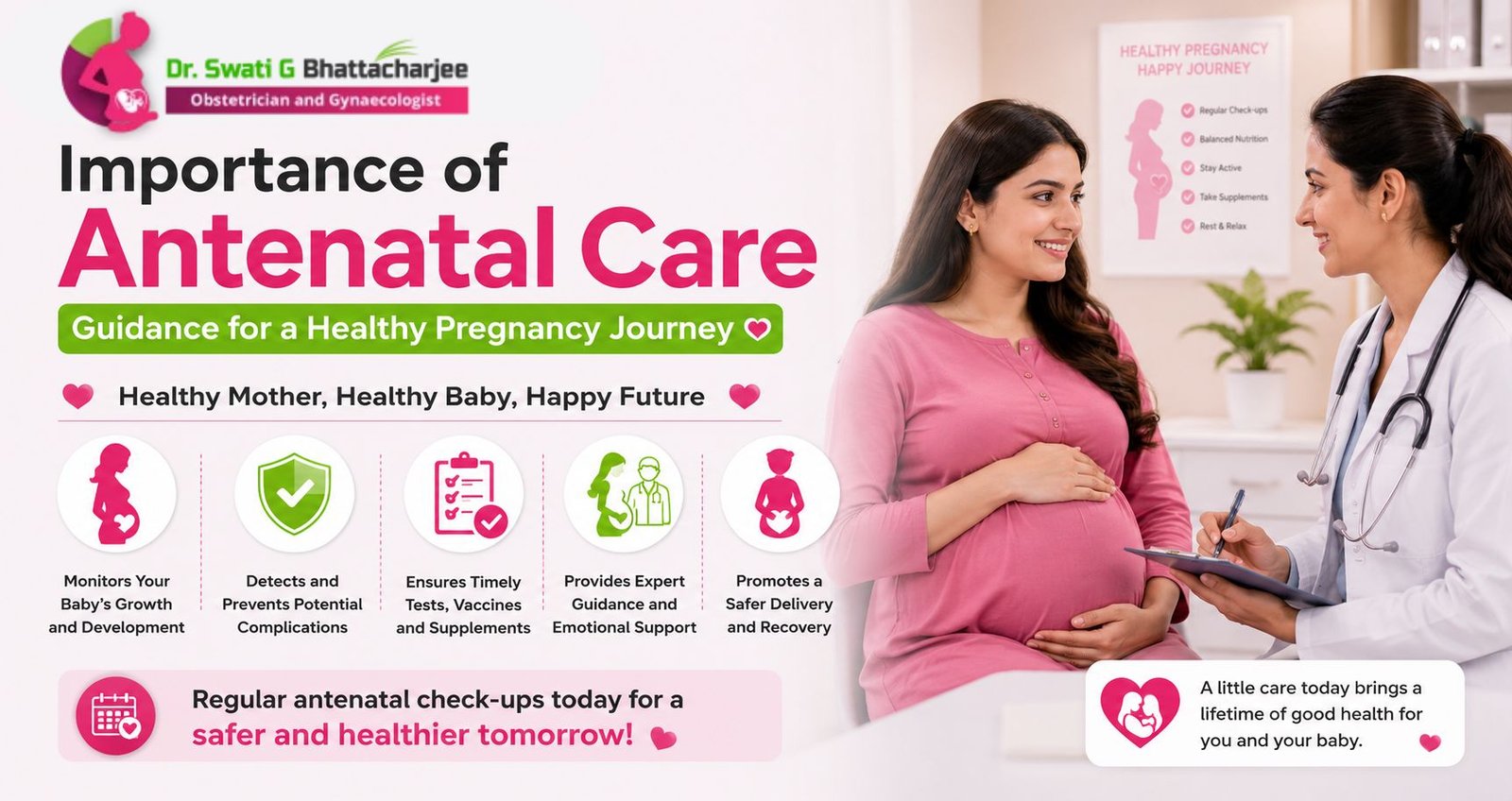
Pregnancy is one of the most beautiful and life-changing experiences in a woman’s life. However, it also comes with physical, emotional, and medical changes that require proper attention and expert guidance. This is where antenatal care becomes essential. Regular antenatal check-ups not only protect the health of the mother but also ensure the healthy growth and development of the baby.
Today, more women are searching online for trusted pregnancy guidance, early symptom monitoring, nutritional advice, and safe delivery planning. Whether you are planning your first pregnancy or already expecting, understanding the importance of antenatal care can help you make informed and healthier decisions throughout your motherhood journey.
In this detailed guide, we will explain what antenatal care means, its stages, major benefits, and why every expecting mother should prioritize regular pregnancy check-ups.
What Is Meant by Antenatal Care?
Antenatal care refers to the medical care, monitoring, and guidance provided to a woman during pregnancy before childbirth. It includes regular health check-ups, screening tests, ultrasound scans, nutritional counseling, and lifestyle recommendations to ensure both mother and baby remain healthy throughout pregnancy.
The main purpose of antenatal care is to:
- Monitor the baby’s growth
- Detect pregnancy complications early
- Support the mother’s physical and emotional health
- Prepare the mother for safe delivery and postpartum care
Modern antenatal care also focuses on preventive healthcare, helping reduce the risks of complications such as gestational diabetes, high blood pressure, anemia, premature birth, and fetal growth issues.
Why Is Antenatal Care Important?
Many pregnancy complications develop silently without noticeable symptoms. Regular antenatal visits help doctors identify and manage these risks early.
Key Benefits of Antenatal Care
1. Early Detection of Pregnancy Complications
Regular check-ups help diagnose conditions such as:
- Gestational diabetes
- High blood pressure
- Thyroid disorders
- Anemia
- Preeclampsia
- Infections affecting pregnancy
Early diagnosis allows timely treatment and reduces complications for both mother and baby.
2. Monitoring Baby’s Growth and Development
Ultrasounds and routine examinations help monitor:
- Baby’s heartbeat
- Growth rate
- Position inside the womb
- Placental health
- Amniotic fluid levels
These assessments ensure that the baby is developing properly throughout pregnancy.
3. Guidance on Nutrition and Lifestyle
Proper nutrition is critical during pregnancy. Antenatal care provides expert advice on:
- Pregnancy diet plans
- Folic acid and iron supplements
- Healthy weight gain
- Hydration
- Safe exercises
- Foods to avoid during pregnancy
Good nutrition directly supports fetal brain and body development.
4. Emotional and Mental Health Support
Pregnancy can sometimes bring anxiety, stress, mood changes, and emotional challenges. Antenatal consultations provide reassurance, counseling, and mental health support for expecting mothers.
5. Safer Delivery Planning
Antenatal care helps doctors prepare for childbirth by evaluating:
- Baby’s position
- Delivery risks
- Mother’s health condition
- Previous pregnancy history
This helps in creating a safe and personalized birth plan.
What Are the Three Stages of Antenatal Care?
Pregnancy is divided into three trimesters, and each stage of antenatal care focuses on different aspects of maternal and fetal health.
First Trimester Antenatal Care (1–12 Weeks)
The first trimester is one of the most important stages because the baby’s organs begin developing during this period.
Important Check-Ups During This Stage
- Pregnancy confirmation
- Blood tests
- Urine tests
- Thyroid screening
- Blood pressure monitoring
- Dating ultrasound scan
Common Symptoms in Early Pregnancy
- Morning sickness
- Fatigue
- Mood swings
- Breast tenderness
- Frequent urination
Doctors usually recommend folic acid supplements during this stage to reduce neural tube defects in babies.
Second Trimester Antenatal Care (13–27 Weeks)
This is often considered the most comfortable stage of pregnancy. The baby grows rapidly, and the mother begins to feel fetal movements.
Key Antenatal Assessments
- Anomaly scan
- Blood sugar test
- Weight monitoring
- Baby growth tracking
- Nutritional counseling
This stage is important for detecting developmental abnormalities and monitoring maternal health.
Third Trimester Antenatal Care (28 Weeks to Delivery)
The final trimester focuses on preparing for labor and ensuring safe delivery.
Important Monitoring Includes
- Baby’s position
- Blood pressure checks
- Fetal heartbeat monitoring
- Swelling assessment
- Delivery planning
Doctors also educate mothers about labor signs, emergency symptoms, breastfeeding, and newborn care.
What Are the Five Aims of Antenatal Care?
The primary aims of antenatal care are designed to protect both maternal and fetal health.
1. Ensure Healthy Pregnancy
Regular monitoring helps maintain a healthy pregnancy journey from conception to delivery.
2. Detect and Manage Risks Early
Timely diagnosis of medical complications improves pregnancy outcomes significantly.
3. Promote Healthy Fetal Development
Nutritional guidance and medical monitoring support healthy baby growth.
4. Prepare Mothers for Childbirth
Education regarding labor, delivery, and postpartum recovery helps mothers feel more confident and prepared.
5. Reduce Maternal and Infant Mortality
Proper antenatal care significantly lowers pregnancy-related risks and improves survival rates for both mother and baby.
How Often Should You Visit Your Doctor During Pregnancy?
The frequency of antenatal visits depends on the pregnancy condition and overall health of the mother.
General Antenatal Visit Schedule
- Every 4 weeks during early pregnancy
- Every 2 weeks during the second half
- Weekly visits near delivery
High-risk pregnancies may require more frequent monitoring.
Signs You Should Never Ignore During Pregnancy
Immediate medical attention is necessary if you experience:
- Severe abdominal pain
- Heavy bleeding
- Reduced baby movement
- Severe headaches
- High fever
- Sudden swelling
- Blurred vision
- Difficulty breathing
Early intervention can prevent serious complications.
Modern Antenatal Care Trends in 2026
Today’s antenatal care is more advanced and patient-focused than ever before. Modern pregnancy care now includes:
- Digital pregnancy tracking
- Advanced fetal scans
- Personalized nutrition plans
- Online consultations
- High-risk pregnancy monitoring
- Mental wellness support
Many expecting mothers now prefer integrated antenatal programs that combine diagnostics, gynecology, nutrition, and emotional support under one healthcare provider.
Tips for a Healthy Pregnancy
To make your pregnancy journey healthier and smoother:
- Eat balanced and nutritious meals
- Stay hydrated
- Avoid smoking and alcohol
- Take prescribed supplements regularly
- Attend every antenatal appointment
- Get adequate sleep
- Stay physically active with doctor-approved exercises
- Manage stress effectively
Consistency in antenatal care plays a major role in healthy childbirth outcomes.
Final Thoughts
Antenatal care is not just about medical check-ups — it is a complete support system that protects the health of both mother and baby throughout pregnancy. Regular monitoring, proper nutrition, emotional support, and early detection of complications can make pregnancy safer, healthier, and more comfortable.
Every pregnancy is unique, and expert medical guidance is essential at every stage. Timely antenatal care empowers mothers with the right knowledge, confidence, and care needed for a healthy delivery and motherhood journey.
Consult Dr. Swati G Bhattacharjee for Expert Antenatal Care Guidance
If you are planning pregnancy or already expecting, professional antenatal care can make a significant difference in your maternal health and your baby’s well-being.
With compassionate care, personalized pregnancy monitoring, and expert guidance, Dr. Swati G Bhattacharjee supports mothers through every stage of pregnancy — from early prenatal care to safe delivery planning.
Book your antenatal consultation today and take the first step toward a healthier and safer pregnancy journey.
Read More:
- When Do Pregnancy Symptoms Start After Implantation Bleeding?
- Can You Have Pregnancy Symptoms Before Implantation?
- Pregnancy Implantation Symptoms: Early Signs You Should Know
Visit Us:
