
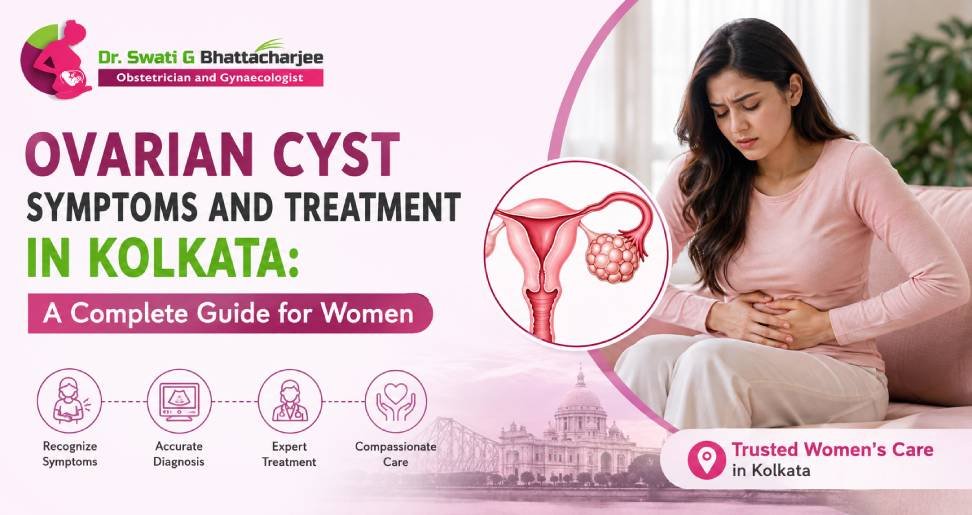
Ovarian cysts are fluid-filled sacs that develop in or around the ovaries and are common among women during their reproductive years. Many ovarian cysts are harmless and disappear without treatment, but some may cause pain, menstrual changes, or fertility-related concerns. Understanding ovarian cyst symptoms and treatment in Kolkata can help women recognize warning signs and seek timely medical evaluation.
At Swati G Bhattacharjee, women can receive personalized gynecological guidance for ovarian cyst evaluation, diagnosis, and treatment based on their symptoms, age, reproductive goals, and overall health.
What Is an Ovarian Cyst?
An ovarian cyst is a sac filled with fluid or, in some cases, solid or semi-solid material that develops on an ovary. Functional cysts are particularly common and often form as part of the normal menstrual cycle. Most functional cysts resolve naturally within a few weeks.
However, some cysts may persist or become larger. Certain types may require closer monitoring or treatment. This is why persistent or unusual symptoms should not be ignored.
Common Ovarian Cyst Symptoms
Small ovarian cysts may not cause noticeable symptoms and are sometimes discovered incidentally during a pelvic ultrasound. When symptoms occur, they may vary depending on the cyst’s size, location, and type.
Common symptoms can include:
- Pelvic or lower abdominal pain: Pain may occur on one side and can range from mild discomfort to more significant pain.
- Bloating or abdominal fullness: Some women experience persistent bloating or a feeling of pressure in the abdomen.
- Changes in menstruation: Periods may become irregular, heavier, lighter, or more painful.
- Pain during sexual intercourse: Pelvic discomfort during intercourse may sometimes be associated with an ovarian cyst.
- Frequent urination: A larger cyst may put pressure on the bladder.
- Difficulty passing stool: Pressure on nearby organs can occasionally cause bowel-related discomfort.
- Lower back or thigh discomfort: Some women may experience pain that radiates to the back or thighs.
These symptoms are not exclusive to ovarian cysts. Conditions such as endometriosis, fibroids, pelvic infections, and PCOS can also cause similar symptoms. Proper evaluation is therefore important.
When Should You See a Gynecologist?
Occasional mild pelvic discomfort does not necessarily indicate a serious problem. However, consult a gynecologist if you experience persistent pelvic pain, repeated menstrual irregularities, unexplained abdominal swelling, pain during intercourse, or symptoms that interfere with daily activities.
Sudden, severe pelvic or abdominal pain accompanied by vomiting, dizziness, weakness, fever, or fainting requires urgent medical attention. In some cases, these symptoms can occur with complications such as cyst rupture or ovarian torsion.
Ovarian Cyst Diagnosis
A gynecologist may begin with a detailed discussion of your menstrual history, symptoms, medical history, and reproductive plans. A pelvic examination may also be recommended.
An ultrasound is commonly used to evaluate an ovarian cyst. It can provide information about the cyst’s size, location, and appearance. Depending on the findings, additional tests may be recommended.
The treatment plan should not be based on the presence of a cyst alone. Factors such as the cyst’s characteristics, symptoms, age, and whether the woman is trying to conceive can influence the next step.
Ovarian Cyst Treatment in Kolkata
Treatment depends on the type and characteristics of the cyst and the symptoms it causes.
1. Observation and Follow-Up
Many functional ovarian cysts disappear naturally. If a cyst appears benign and symptoms are mild or absent, a doctor may recommend observation and a follow-up ultrasound after an appropriate interval.
Regular monitoring helps determine whether the cyst is shrinking, remaining stable, or changing.
2. Medicines
Medicines may sometimes be prescribed to manage pain or other associated symptoms. Hormonal medicines may be considered in selected situations, although they do not necessarily make an existing cyst disappear.
Treatment should always be individualized rather than based on self-medication.
3. Surgical Treatment
Surgery may be considered when a cyst is large, persistent, symptomatic, has concerning features, or causes complications. The surgical approach depends on factors such as the cyst’s appearance, size, location, and the woman’s age and fertility plans.
When surgery is recommended, the gynecologist will explain the procedure, potential benefits, risks, and recovery expectations.
Ovarian Cysts and PCOS: Are They the Same?
Ovarian cysts and polycystic ovary syndrome (PCOS) are not the same condition.
PCOS is a hormonal and metabolic disorder that may involve irregular periods, androgen-related symptoms, and polycystic ovarian morphology. The small follicles seen in polycystic ovaries are different from a typical ovarian cyst.
Women experiencing irregular periods, acne, excess facial hair, or unexplained weight changes may benefit from understanding [PCOS symptoms Bengali women] and discussing their symptoms with a qualified gynecologist.
Can Ovarian Cysts Affect Fertility?
Most ovarian cysts do not permanently affect fertility. However, certain conditions associated with ovarian cysts, such as endometriosis, may affect reproductive health. Large or complicated cysts may also require careful management.
Women planning pregnancy should discuss their reproductive goals with their gynecologist before choosing a treatment. Appropriate evaluation can help balance cyst management with fertility preservation.
For women preparing for pregnancy, understanding the [preconception counselling importance] can also help identify health concerns and support a healthier pregnancy journey.
Ovarian Cysts and Vaginal Discharge
Vaginal discharge can naturally change throughout the menstrual cycle. However, abnormal discharge accompanied by itching, unpleasant odor, pelvic pain, or burning may indicate an infection or another gynecological condition rather than an ovarian cyst.
Women who notice unusual discharge can learn more about [white discharge causes treatment] and seek appropriate medical evaluation rather than assuming the symptom is caused by an ovarian cyst.
How Can Ovarian Cysts Be Managed?
There is no single treatment that is suitable for every ovarian cyst. Avoiding self-prescribed hormonal medicines or relying solely on home remedies is important. Instead, women should follow an individualized treatment plan based on clinical assessment and appropriate imaging.
Maintaining regular gynecological check-ups can also help identify reproductive health concerns early, particularly when menstrual cycles or pelvic symptoms change.
Frequently Asked Questions ( FAQs ):-
Ans :- Yes. Many functional ovarian cysts resolve naturally without surgery or specific treatment. Follow-up may be recommended to confirm that the cyst has disappeared or reduced in size.
Ans :- No. Many ovarian cysts cause no symptoms and are discovered during routine examinations or imaging performed for another reason.
Ans :- Some ovarian cysts can be associated with menstrual changes. However, irregular periods can have several causes, including hormonal disorders, PCOS, thyroid problems, stress, and other gynecological conditions.
Ans :- No. Surgery is not required for every cyst. Doctors consider the cyst’s appearance, size, symptoms, persistence, and other clinical factors before recommending surgery.
Ans :- Sudden, severe pelvic or abdominal pain, particularly when accompanied by vomiting, dizziness, fainting, fever, or significant weakness, should receive urgent medical evaluation.
Get Personalized Gynecological Care in Kolkata
Ovarian cysts are common, and many are not dangerous. However, persistent symptoms, unusual menstrual changes, or severe pelvic pain deserve proper evaluation. Early assessment can help identify the cause of symptoms and determine whether monitoring, medication, or another treatment approach is appropriate.
If you are experiencing symptoms of an ovarian cyst or have concerns about your menstrual or reproductive health, consult Swati G Bhattacharjee for individualized gynecological guidance and appropriate evaluation in Kolkata.
