
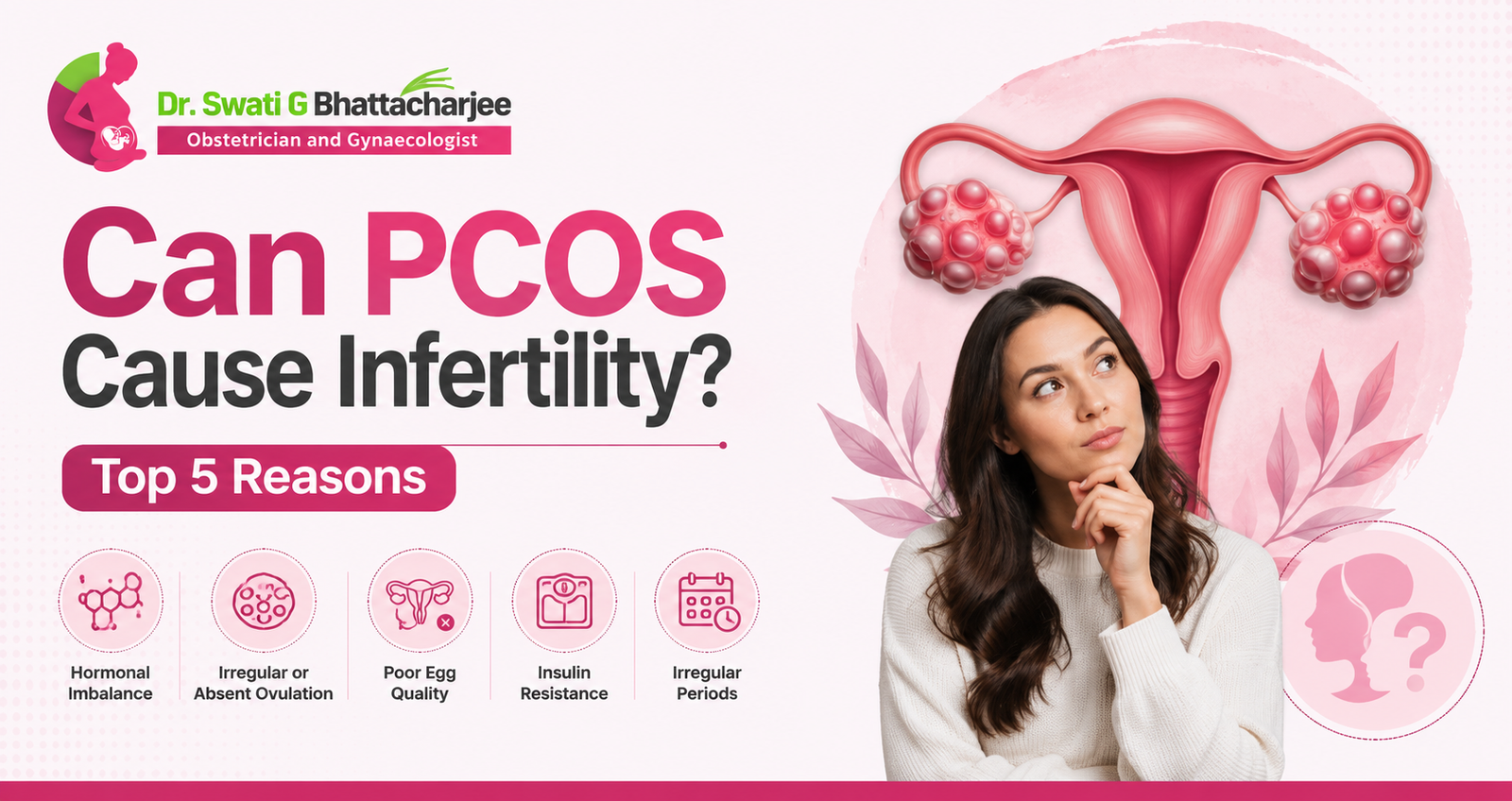
If you’ve been diagnosed with Polycystic Ovary Syndrome (PCOS), it’s natural to wonder, can PCOS cause infertility? PCOS is one of the most common hormonal disorders affecting women of reproductive age and is a leading cause of ovulation-related infertility. However, a diagnosis of PCOS does not mean pregnancy is impossible.
Many women with PCOS conceive naturally, while others achieve pregnancy with lifestyle changes or fertility treatments. Understanding how PCOS affects fertility is the first step toward improving your chances of conception. In this article, we’ll explain whether PCOS can cause infertility, the top five reasons it impacts fertility, and practical tips on how to get pregnant with PCOS quickly.
What is PCOS?
PCOS (Polycystic Ovary Syndrome) is a hormonal condition in which the ovaries produce higher-than-normal levels of androgens (male hormones). This hormonal imbalance can interfere with ovulation and menstrual cycles.
Common symptoms include:
- Irregular or missed periods
- Difficulty getting pregnant
- Acne and oily skin
- Excess facial or body hair
- Weight gain
- Hair thinning
PCOS is also associated with insulin resistance, increasing the risk of type 2 diabetes and metabolic disorders. Early diagnosis and proper treatment can improve both fertility and long-term health.
Can PCOS Cause Infertility?
Yes, PCOS can cause infertility, mainly because it disrupts regular ovulation. Without ovulation, an egg is not released each month, making conception more difficult.
PCOS accounts for nearly 70–80% of infertility cases caused by ovulation disorders. However, infertility due to PCOS is often treatable. Many women become pregnant naturally or with medical support, depending on factors such as age, weight, hormone balance, and overall reproductive health.
The encouraging news is that most women with PCOS can achieve a successful pregnancy with timely diagnosis and personalized treatment.
Top 5 Reasons PCOS Affects Fertility
1. Irregular or Absent Ovulation
Ovulation is essential for pregnancy. In women with PCOS, hormonal imbalance prevents eggs from maturing and being released regularly. As a result, menstrual cycles become irregular, and identifying fertile days becomes difficult.
Restoring ovulation through lifestyle changes or medications is often the first step in improving fertility.
2. Hormonal Imbalance
PCOS causes elevated androgen levels along with imbalances in reproductive hormones such as LH and FSH. These changes interfere with egg development and reduce the chances of successful fertilization.
Hormonal imbalance may also affect the uterine lining, making implantation more difficult. Proper treatment helps regulate hormones and supports healthy ovulation.
3. Insulin Resistance
Many women with PCOS have insulin resistance, causing the body to produce excess insulin. High insulin levels stimulate the ovaries to produce more androgens, worsening hormonal imbalance.
Managing insulin resistance through a healthy diet, exercise, weight control, and medications like Metformin (if prescribed) can improve ovulation and fertility.
4. Poor Egg Quality
Although women with PCOS often have many ovarian follicles, not all contain healthy mature eggs. Hormonal imbalance and inflammation may affect egg quality, reducing the chances of fertilization and increasing miscarriage risk.
Maintaining a healthy lifestyle and following medical advice can improve reproductive outcomes.
5. Weight Gain and Inflammation
Weight gain is common in PCOS and further disrupts hormone balance. Excess body fat contributes to insulin resistance and chronic inflammation, both of which negatively affect fertility.
Even losing 5–10% of body weight can help regulate menstrual cycles, improve ovulation, and increase the chances of pregnancy.
Can You Get Pregnant with PCOS?
Yes, you can get pregnant with PCOS. While the condition may delay conception, many women successfully become mothers.
Your chances depend on factors such as age, body weight, hormone levels, ovulation frequency, and your partner’s fertility. Some women conceive naturally, while others benefit from fertility medications or assisted reproductive techniques.
The key is seeking medical guidance early if pregnancy does not occur after several months of trying.
How to Get Pregnant with PCOS Quickly
If you’re searching for how to get pregnant with PCOS quickly, consider these evidence-based strategies:
- Maintain a healthy body weight.
- Eat a balanced diet rich in whole grains, vegetables, lean protein, and healthy fats.
- Exercise regularly to improve insulin sensitivity.
- Track ovulation using apps or ovulation kits.
- Take fertility medications only as prescribed by your doctor.
- Manage stress through yoga, meditation, or relaxation techniques.
- Consult a fertility specialist if pregnancy doesn’t occur after 6–12 months of trying.
These steps can improve ovulation and significantly increase the chances of conception.
Diagnosis and Treatment
Doctors diagnose PCOS using your medical history, symptoms, blood tests, and pelvic ultrasound. Additional tests may include blood sugar and thyroid function assessments.
Treatment depends on your goals. If pregnancy is the priority, your doctor may recommend:
- Lifestyle modifications
- Weight management
- Ovulation-inducing medications
- Metformin for insulin resistance
- Fertility treatments such as IUI or IVF when needed
Early treatment improves both fertility and overall reproductive health.
FAQs:
Does PCOS always cause infertility?
No. PCOS makes pregnancy more challenging but does not mean you are infertile. Many women conceive naturally or with treatment.
Can you get pregnant with PCOS naturally?
Yes. If ovulation occurs regularly, natural conception is possible. Healthy lifestyle changes can improve the chances of pregnancy.
What is the fastest way to get pregnant with PCOS?
Maintaining a healthy weight, improving insulin sensitivity, tracking ovulation, and following your doctor’s treatment plan offer the best chance of conceiving sooner.
Is IVF necessary for PCOS?
No. Most women first respond to lifestyle changes and ovulation medications. IVF is usually considered only if other treatments are unsuccessful.
Does losing weight help fertility?
Yes. Even a modest weight loss of 5–10% can restore ovulation and improve pregnancy rates in women with PCOS.
Conclusion
So, can PCOS cause infertility? Yes, it can, primarily by affecting ovulation, hormone balance, insulin resistance, and egg quality. However, infertility is not inevitable. With early diagnosis, healthy lifestyle changes, and the right medical treatment, many women with PCOS successfully conceive and have healthy pregnancies.
If you’re wondering can you get pregnant with PCOS, the answer is encouraging—yes, you can. By following your healthcare provider’s recommendations and adopting healthy habits, you can improve your fertility and take confident steps toward starting or growing your family.
Read More:
