
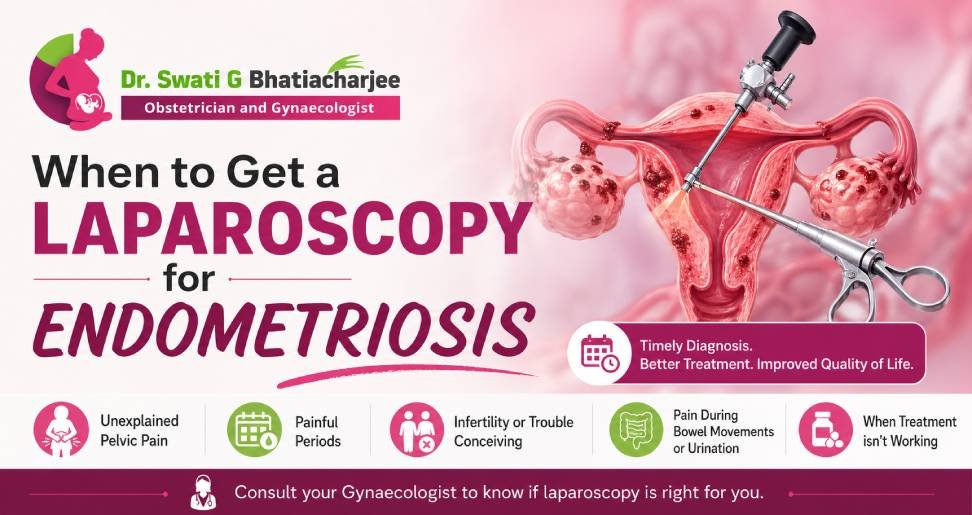
Endometriosis is a chronic and often painful condition that affects millions of women worldwide. It occurs when tissue similar to the lining of the uterus grows outside the uterine cavity, leading to symptoms such as pelvic pain, heavy periods, infertility, and digestive discomfort. While medications and lifestyle changes may help manage symptoms, many patients eventually consider endometriosis laparoscopic surgery for diagnosis and treatment.
This blog will guide you through when to consider laparoscopy, what the procedure involves, and what to expect in terms of recovery and outcomes.
What Is Endometriosis Laparoscopic Surgery?
Endometriosis laparoscopic surgery is a minimally invasive surgical procedure used to diagnose and treat endometriosis. A surgeon inserts a thin, lighted instrument called a laparoscope through a small incision in the abdomen. This allows direct visualization of endometrial lesions and enables the surgeon to remove or destroy them.
Unlike traditional open surgery, laparoscopy involves smaller incisions, less pain, and faster healing. It is considered the gold standard for confirming endometriosis and improving symptoms.
When Should You Consider Laparoscopy for Endometriosis?
Not every patient with suspected endometriosis needs surgery immediately. However, laparoscopy may be recommended in the following situations:
1. Persistent Pelvic Pain
If you experience chronic pelvic pain that does not respond to medications such as pain relievers or hormonal therapy, surgery may be necessary to identify and remove the source of pain.
2. Difficulty in Diagnosis
Imaging tests like ultrasounds or MRIs may not always detect endometriosis clearly. Laparoscopy provides a definitive diagnosis by allowing direct visualization of the pelvic organs.
3. Infertility Concerns
For women struggling to conceive, endometriosis can be a contributing factor. Surgical removal of lesions can improve fertility outcomes in certain cases.
4. Severe or Advanced Endometriosis
In moderate to severe cases, where lesions, cysts (endometriomas), or adhesions are present, surgery may be the most effective treatment.
5. Failure of Medical Treatment
If hormonal therapies or other treatments fail to control symptoms, laparoscopy becomes a viable next step.
Understanding the Procedure
Pre-Surgery Preparation
Before undergoing surgery, your doctor may recommend blood tests, imaging studies, and a review of your medical history. You may also be advised to avoid eating or drinking for a few hours before the procedure.
Endometriosis Laparoscopic Surgery Position
The endometriosis laparoscopic surgery position is crucial for optimal visualization and surgical access. Patients are typically placed in the lithotomy position (lying on the back with legs elevated and supported) combined with a slight tilt known as the Trendelenburg position. This positioning helps move abdominal organs away from the pelvic area, allowing the surgeon better access to endometrial lesions.
During the Surgery
- Small incisions are made in the abdomen.
- Carbon dioxide gas is used to inflate the abdomen for better visibility.
- The laparoscope and surgical instruments are inserted.
- Endometrial tissue is either excised (cut out) or ablated (destroyed).
The procedure usually takes between 30 minutes to a few hours, depending on the severity of the condition.
Benefits of Laparoscopic Surgery
- Accurate diagnosis of endometriosis
- Minimally invasive approach with smaller scars
- Reduced pain and quicker recovery compared to open surgery
- Improved fertility outcomes in some patients
- Long-term symptom relief
Endometriosis Laparoscopic Surgery Recovery
Recovery after laparoscopy is generally faster than traditional surgery, but it still requires proper care.
Immediate Recovery
- Most patients can go home the same day or within 24 hours.
- Mild pain, bloating, or shoulder discomfort (due to gas used during surgery) is common.
Short-Term Recovery (1–2 Weeks)
- You may resume light activities within a few days.
- Avoid heavy lifting or strenuous exercise.
- Follow your doctor’s instructions regarding wound care and medications.
Full Recovery (2–6 Weeks)
- Complete healing typically occurs within a few weeks.
- Regular follow-ups ensure proper recovery and monitor for recurrence.
Tips for Faster Recovery
- Stay hydrated and maintain a healthy diet
- Get adequate rest
- Gradually return to normal activities
- Follow post-operative care instructions strictly
Risks and Considerations
Although laparoscopy is generally safe, like any surgical procedure, it carries some risks:
- Infection
- Bleeding
- Injury to surrounding organs
- Recurrence of endometriosis
Discuss these risks with your healthcare provider to make an informed decision.
Effectiveness of Laparoscopic Surgery
The success of endometriosis laparoscopic surgery depends on several factors, including the severity of the condition and the surgeon’s expertise. Many patients experience significant relief from pain and improved quality of life after the procedure.
However, it is important to note that endometriosis can recur. Combining surgery with ongoing medical management often provides the best long-term results.
Alternatives to Surgery
Before opting for laparoscopy, doctors may suggest non-surgical treatments such as:
- Hormonal therapy (birth control pills, GnRH agonists)
- Pain management medications
- Lifestyle changes (diet, exercise, stress management)
Surgery is usually considered when these options fail or are not suitable.
Final Thoughts
Deciding when to undergo laparoscopy for endometriosis is a personal and medical decision that should be made in consultation with a qualified healthcare provider. If you are experiencing persistent symptoms, difficulty conceiving, or inadequate relief from medications, endometriosis laparoscopic surgery may be the right option for you.
Understanding the procedure, including the endometriosis laparoscopic surgery position and the expected endometriosis laparoscopic surgery recovery, can help you prepare both physically and mentally.
Early diagnosis and appropriate treatment can significantly improve your quality of life. If you suspect endometriosis, do not delay seeking medical advice—timely intervention can make a meaningful difference.
Have A Look :-
