
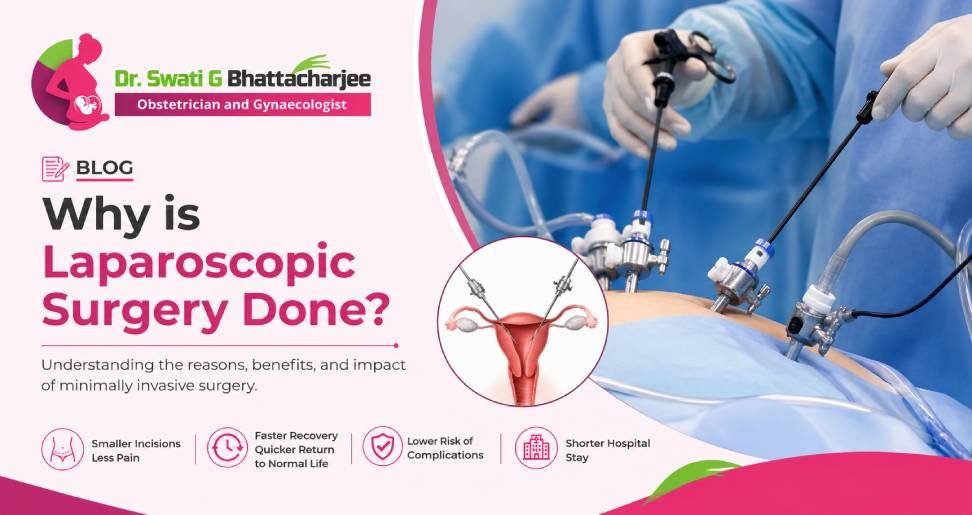
Laparoscopic surgery has transformed modern healthcare by offering a safer, less invasive alternative to traditional open surgery. Also known as minimally invasive surgery, this advanced technique allows doctors to diagnose and treat various medical conditions with smaller incisions, faster recovery, and minimal discomfort. But many patients still ask: why is laparoscopic surgery done? This blog explores the purpose, benefits, and common procedures associated with laparoscopic surgery while addressing key concerns and related topics.
What is Laparoscopic Surgery?
Laparoscopic surgery is a medical procedure in which a surgeon uses a thin tube with a camera (laparoscope) to view the inside of the body. Instead of making a large incision, the surgeon makes small cuts and inserts specialized instruments to perform the surgery. The camera projects real-time images onto a monitor, enabling precise and accurate treatment.
This technique is widely used in areas such as gynecology, gastroenterology, and urology. It is especially beneficial for procedures involving the abdomen and pelvis.
Why is Laparoscopic Surgery Done?
Laparoscopic surgery is done for both diagnostic and therapeutic purposes. Doctors recommend this procedure for a variety of reasons, including:
1. Diagnosis of Medical Conditions
When imaging tests like ultrasound or CT scans are inconclusive, laparoscopic surgery helps doctors directly examine internal organs. It is often used to identify causes of unexplained abdominal pain, infertility, or tumors.
2. Treatment of Diseases
This surgery is commonly used to treat conditions such as gallstones, hernias, endometriosis, and appendicitis. One common example is appendix laparoscopic surgery, where the inflamed appendix is removed using minimally invasive techniques.
3. Reduced Surgical Risk
Compared to traditional open surgery, laparoscopic procedures involve smaller incisions, which lowers the risk of infection, bleeding, and complications.
4. Faster Recovery
Patients who undergo laparoscopic surgery usually experience quicker recovery times. Most individuals can return to normal activities within a few days or weeks, depending on the procedure.
5. Minimal Scarring
Since the incisions are small, the scars are less noticeable, making it a preferred choice for many patients.
Common Types of Laparoscopic Surgery
Laparoscopic surgery is used in various medical procedures. Some of the most common types include:
Gallbladder Removal (Cholecystectomy)
One of the most frequently performed laparoscopic surgeries, used to remove the gallbladder in patients with gallstones.
Appendix Laparoscopic Surgery
This procedure is performed to remove an inflamed appendix. It is considered safer and more effective than open surgery, with faster healing and fewer complications.
Hernia Repair
Laparoscopic techniques help repair hernias with minimal tissue damage and quicker recovery.
Gynecological Surgeries
These include procedures for ovarian cysts, fibroids, and endometriosis. It is also widely used in sterilization procedures and family planning.
Laparoscopy in Family Planning
Laparoscopic surgery plays a significant role in family planning, particularly in female sterilization procedures like tubal ligation. This method is safe, effective, and minimally invasive.
However, some individuals are concerned about laparoscopy family planning side effects. While the procedure is generally safe, possible side effects may include:
- Mild abdominal pain
- Temporary bloating
- Minor bleeding
- Risk of infection (rare)
- Reaction to anesthesia
Serious complications are uncommon, and most patients recover quickly without long-term issues. Consulting a qualified surgeon can help minimize risks and ensure safe outcomes.
Advantages of Laparoscopic Surgery
The growing popularity of laparoscopic surgery is due to its numerous advantages:
Less Pain
Smaller incisions result in reduced post-operative pain compared to traditional surgery.
Shorter Hospital Stay
Many laparoscopic procedures are performed as day-care surgeries, allowing patients to go home the same day.
Faster Healing
The body heals more quickly due to minimal tissue damage.
Lower Risk of Infection
Reduced exposure of internal organs decreases the chances of infection.
Better Cosmetic Results
Minimal scarring enhances the overall appearance after surgery.
Risks and Limitations
While laparoscopic surgery offers many benefits, it may not be suitable for everyone. Some limitations include:
- Not ideal for complex or large tumors
- May require conversion to open surgery in emergencies
- Requires skilled and experienced surgeons
- Potential risks such as bleeding or organ injury (rare)
Patients should always discuss their medical history and treatment options with their doctor before choosing this procedure.
Preparation for Laparoscopic Surgery
Before undergoing laparoscopic surgery, patients are advised to:
- Avoid eating or drinking for a few hours before surgery
- Inform the doctor about medications and allergies
- Undergo necessary blood tests or imaging
- Follow pre-surgical instructions carefully
Proper preparation ensures a smooth and successful procedure.
Recovery After Laparoscopic Surgery
Recovery is generally quick and comfortable. Most patients experience mild discomfort for a few days. Here are some recovery tips:
- Follow the doctor’s instructions regarding medications
- Avoid heavy lifting for a few weeks
- Maintain a healthy diet
- Keep the incision area clean and dry
- Attend follow-up appointments
Full recovery depends on the type of surgery but is usually faster than traditional methods.
When to Consult a Doctor?
You should consult a doctor if you experience:
- Persistent abdominal pain
- Fever or signs of infection
- Unusual swelling or bleeding
- Digestive issues
Early diagnosis and treatment can prevent complications and improve outcomes.
Conclusion
Laparoscopic surgery is a modern, efficient, and patient-friendly approach to treating a wide range of medical conditions. It is done to diagnose issues, treat diseases, and improve overall health with minimal discomfort and faster recovery. From appendix laparoscopic surgery to family planning procedures, this technique continues to revolutionize surgical care.
While concerns about laparoscopy family planning side effects exist, they are generally mild and manageable. With proper medical guidance and experienced professionals, laparoscopic surgery remains one of the safest and most effective surgical options available today.
If you are considering surgery, consult a qualified healthcare provider to determine whether laparoscopic surgery is the right choice for your condition.
Have A Look :-
