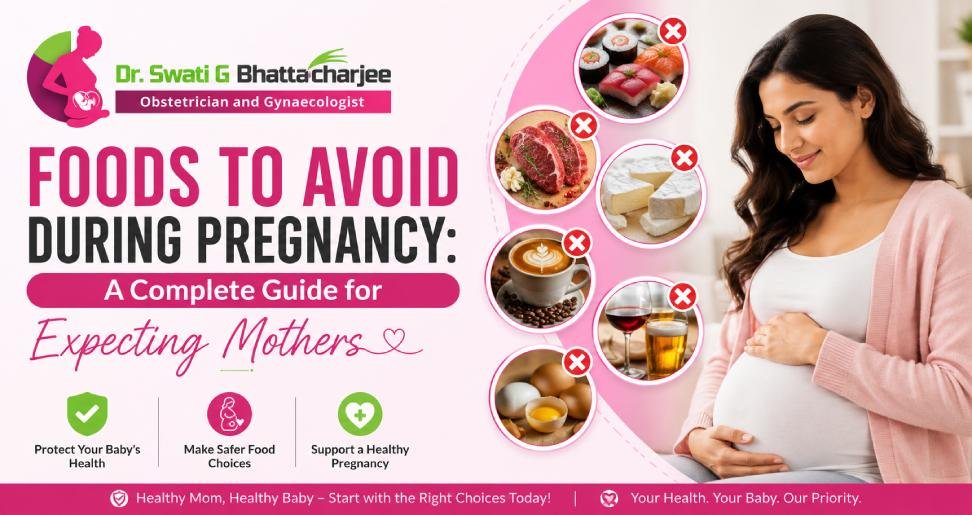
Pregnancy is a beautiful journey that brings excitement, responsibility, and several lifestyle changes. One of the most important aspects of a healthy pregnancy is maintaining a balanced diet. While there are many nutritious foods that support the growth and development of your baby, there are also certain foods to avoid during pregnancy because they may increase the risk of infections, complications, or developmental issues.
Understanding which foods are safe and which should be limited or avoided can help ensure a healthy pregnancy for both mother and baby. In this guide, we will discuss the foods to avoid during pregnancy, along with important information about fruits to avoid during pregnancy, vegetables to avoid during pregnancy, and other things to avoid in early pregnancy.
Why Food Choices Matter During Pregnancy
During pregnancy, your immune system undergoes changes, making you more susceptible to foodborne illnesses. Certain bacteria, parasites, and harmful substances that may not affect a healthy adult significantly can be dangerous for an unborn baby.
A healthy pregnancy diet should focus on nutrient-rich foods while avoiding items that can pose health risks. Making informed dietary choices helps reduce the chances of miscarriage, preterm labor, birth defects, and other complications.
Foods to Avoid During Pregnancy
1. Raw or Undercooked Meat
Raw or partially cooked meat may contain harmful bacteria and parasites such as Salmonella, E. coli, and Toxoplasma gondii. These infections can lead to severe pregnancy complications.
Avoid:
- Rare or medium-rare meat
- Raw meat dishes
- Undercooked poultry
- Raw sausages
Always ensure meat is thoroughly cooked before consumption.
2. Raw or Undercooked Eggs
Raw eggs can carry Salmonella bacteria, which may cause severe gastrointestinal illness during pregnancy.
Foods containing raw eggs include:
- Homemade mayonnaise
- Certain salad dressings
- Raw cookie dough
- Some desserts and mousses
Choose pasteurized egg products whenever possible.
3. High-Mercury Fish
Fish is generally healthy, but some varieties contain high levels of mercury, which can negatively affect the baby’s developing brain and nervous system.
Avoid:
- Shark
- Swordfish
- King mackerel
- Tilefish
Instead, opt for low-mercury fish such as salmon, sardines, and trout.
4. Unpasteurized Dairy Products
Unpasteurized milk and dairy products may contain Listeria bacteria, which can cause miscarriage, stillbirth, or severe newborn infections.
Avoid:
- Raw milk
- Soft cheeses made from unpasteurized milk
- Certain artisanal dairy products
Always check product labels to ensure they are pasteurized.
5. Processed and Deli Meats
Deli meats and processed meats may harbor harmful bacteria if not stored properly.
Examples include:
- Salami
- Ham
- Hot dogs
- Cold cuts
If consuming these products, heat them thoroughly until steaming hot.
6. Raw Seafood
Raw seafood can contain bacteria, viruses, and parasites that pose serious risks during pregnancy.
Avoid:
- Sushi made with raw fish
- Oysters
- Clams
- Raw shrimp
Cook seafood thoroughly before eating.
Fruits to Avoid During Pregnancy
Many fruits are beneficial during pregnancy, but some should be consumed cautiously or avoided in excessive quantities.
1. Unripe Papaya
Unripe or semi-ripe papaya contains latex, which may stimulate uterine contractions and potentially increase the risk of complications, especially during early pregnancy.
2. Excessive Pineapple
Pineapple contains bromelain, an enzyme that may soften the cervix when consumed in very large amounts. While moderate intake is generally considered safe, excessive consumption should be avoided.
3. Unwashed Fruits
Regardless of the fruit type, consuming unwashed fruits may expose you to harmful bacteria, pesticides, and parasites. Always wash fruits thoroughly before eating.
When discussing fruits to avoid during pregnancy, the focus should be on moderation, proper preparation, and avoiding unripe varieties that may pose risks.
Vegetables to Avoid During Pregnancy
Vegetables are an essential part of a pregnancy diet, but some precautions are necessary.
1. Raw Sprouts
Raw sprouts such as:
- Alfalfa sprouts
- Clover sprouts
- Radish sprouts
can harbor harmful bacteria including Salmonella and E. coli.
2. Unwashed Leafy Greens
Leafy vegetables can contain soil-borne parasites and bacteria if not cleaned properly.
Always wash:
- Spinach
- Lettuce
- Kale
- Cabbage
thoroughly before consumption.
3. Contaminated or Spoiled Vegetables
Vegetables that show signs of spoilage should be discarded immediately, as they may contain harmful microorganisms.
When considering vegetables to avoid during pregnancy, proper cleaning and cooking are often more important than completely eliminating specific vegetables from the diet.
Things to Avoid in Early Pregnancy
The first trimester is a crucial period for fetal development. Along with dietary restrictions, there are several things to avoid in early pregnancy.
Excessive Caffeine
High caffeine intake has been associated with an increased risk of miscarriage and low birth weight.
Limit intake from:
- Coffee
- Energy drinks
- Strong tea
- Certain soft drinks
Alcohol
No amount of alcohol is considered safe during pregnancy. Alcohol exposure can lead to serious developmental issues and fetal alcohol spectrum disorders.
Smoking and Tobacco
Smoking restricts oxygen supply to the baby and increases the risk of:
- Premature birth
- Low birth weight
- Pregnancy complications
Self-Medication
Many over-the-counter medications may not be safe during pregnancy. Always consult your healthcare provider before taking any medication.
These are some of the most important things to avoid in early pregnancy to support healthy fetal growth and development.
Healthy Alternatives for a Safe Pregnancy Diet
Instead of risky foods, focus on nutritious options such as:
- Fresh fruits and vegetables
- Whole grains
- Lean proteins
- Pasteurized dairy products
- Well-cooked fish and poultry
- Nuts and seeds
- Plenty of water
A balanced diet supports the baby’s growth while helping mothers maintain their health throughout pregnancy.
When to Seek Professional Guidance
Every pregnancy is unique, and dietary recommendations may vary depending on individual health conditions. Consulting an experienced gynecologist can help ensure that you receive personalized nutritional guidance and proper prenatal care.
For women seeking expert pregnancy care and nutritional counseling, Dr Swati Bhattacharjee provides comprehensive support throughout pregnancy. From early prenatal consultations to ongoing maternal health monitoring, professional guidance can help expecting mothers make informed decisions about diet, lifestyle, and overall well-being.
Conclusion
Knowing the foods to avoid during pregnancy is essential for protecting both maternal and fetal health. Avoiding raw meat, high-mercury fish, unpasteurized dairy products, raw seafood, and certain risky foods can significantly reduce the risk of complications. Understanding the fruits to avoid during pregnancy, vegetables to avoid during pregnancy, and other important things to avoid in early pregnancy helps create a safer environment for your baby’s development.
A healthy pregnancy is built on informed choices, balanced nutrition, and regular medical care. By following dietary recommendations and consulting experienced specialists such as Dr Swati Bhattacharjee, expecting mothers can enjoy a healthier and more confident pregnancy journey.
