
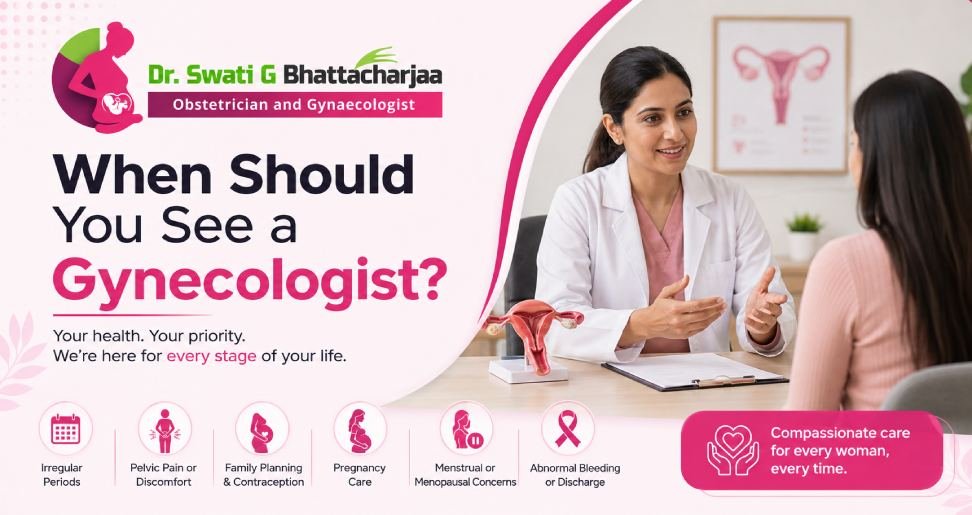
Women’s health needs change at different stages of life, from adolescence to pregnancy and menopause. While many women visit a gynecologist only when they experience a problem, regular gynecological check-ups play a vital role in maintaining overall reproductive and hormonal health. Understanding when should you see a gynecologist can help detect potential health issues early and ensure proper care throughout every stage of life.
In this blog, we will discuss the signs that indicate it’s time to consult a gynecologist, answer common questions, and explain why routine visits are essential for long-term well-being.
What Does a Gynecologist Do?
A gynecologist specializes in the diagnosis, treatment, and prevention of conditions related to the female reproductive system. This includes the uterus, ovaries, fallopian tubes, cervix, vagina, and breasts.
A gynecologist can help with:
- Menstrual disorders
- Hormonal imbalances
- Pregnancy care
- Fertility concerns
- Polycystic Ovary Syndrome (PCOS)
- Endometriosis
- Menopause management
- Sexually transmitted infections (STIs)
- Cervical cancer screening
Regular visits allow women to monitor their reproductive health and receive guidance tailored to their specific needs.
When Should a Female Start Seeing a Gynecologist?
One of the most common questions is: When should a female start seeing a gynecologist?
Most healthcare experts recommend that girls have their first gynecological visit between the ages of 13 and 15 years. This initial visit may not involve a pelvic examination unless there is a specific medical concern. Instead, it focuses on:
- Understanding puberty changes
- Discussing menstrual cycles
- Addressing concerns about reproductive health
- Educating about hygiene and healthy habits
Early visits help young women become comfortable discussing their health concerns and establish a foundation for lifelong preventive care.
Signs That You Should See a Gynecologist
1. Irregular Menstrual Cycles
While occasional changes in menstrual cycles can occur, persistent irregularities may indicate underlying conditions such as PCOS, thyroid disorders, or hormonal imbalances.
Consult a gynecologist if you experience:
- Missed periods
- Very heavy bleeding
- Bleeding between periods
- Periods lasting longer than seven days
2. Severe Menstrual Pain
Mild cramps are common during menstruation. However, if the pain interferes with daily activities, it may be a sign of endometriosis, fibroids, or other gynecological conditions.
3. Unusual Vaginal Discharge
Changes in color, odor, or consistency of vaginal discharge may indicate infections or other health concerns. Prompt evaluation can prevent complications and provide appropriate treatment.
4. Pelvic Pain
Persistent pelvic pain should never be ignored. It may be caused by ovarian cysts, endometriosis, pelvic inflammatory disease, or other reproductive health issues.
5. Pregnancy Planning
If you are planning to conceive, a gynecologist can help assess your reproductive health, recommend prenatal vitamins, and identify any factors that could affect fertility or pregnancy.
6. Fertility Concerns
Women under 35 who have been trying to conceive for one year—or women over 35 trying for six months—should consult a gynecologist for fertility evaluation.
7. Menopause Symptoms
Symptoms such as hot flashes, night sweats, mood changes, and vaginal dryness can significantly affect quality of life. A gynecologist can recommend effective management strategies.
Does a 25 Year Old Virgin Need to Go to a Gynecologist?
Many women wonder: Does a 25 year old virgin need to go to a gynecologist?
The answer is yes.
Gynecological care is not limited to sexually active women. Even if you have never been sexually active, regular visits are important because reproductive health conditions can occur regardless of sexual activity.
A gynecologist can help with:
- Menstrual disorders
- PCOS
- Hormonal issues
- Ovarian cysts
- Preventive screenings
- General reproductive health education
Being a virgin does not eliminate the need for routine gynecological evaluations and preventive care.
Is 5 Weeks Pregnant Too Early to See a Doctor?
Another frequently asked question is: Is 5 weeks pregnant too early to see a doctor?
No, it is not too early.
Many women schedule their first prenatal appointment between 6 and 8 weeks of pregnancy. However, contacting a gynecologist at 5 weeks can be beneficial, especially if:
- You have a history of pregnancy complications
- You have chronic health conditions
- You are experiencing bleeding or severe pain
- You need guidance on medications and supplements
Early prenatal care helps ensure a healthy pregnancy and allows timely monitoring of both mother and baby.
What Is the Best Time to Consult a Gynecologist?
Many patients ask: What is the best time to consult a gynecologist?
The best time depends on your reason for the visit. However, for routine examinations, it is generally recommended to schedule your appointment:
- A few days after your menstrual period ends
- When you are not experiencing heavy bleeding
- Before planning a pregnancy
- As soon as unusual symptoms appear
You should never delay a consultation if you experience pain, abnormal bleeding, or other concerning symptoms.
Importance of Regular Gynecological Check-Ups
Regular visits offer numerous benefits, including:
Early Detection of Health Problems
Many gynecological conditions develop gradually and may not show symptoms initially. Routine examinations can help detect issues early when treatment is most effective.
Cervical Cancer Screening
Pap smears and HPV testing help identify precancerous changes in the cervix before they become serious.
Breast Health Monitoring
Gynecologists often perform breast examinations and educate patients on self-examination techniques.
Reproductive Health Guidance
Whether you’re planning a pregnancy, considering contraception, or managing menopause, a gynecologist provides expert guidance tailored to your needs.
Choosing the Right Gynecologist
Selecting an experienced and compassionate gynecologist is essential for receiving quality care. Women should feel comfortable discussing personal health concerns openly and confidently.
If you are looking for expert gynecological care, consulting an experienced specialist like Dr. Swati G Bhattacharjee can make a significant difference. With a patient-centered approach and extensive expertise in women’s health, Dr. Swati G Bhattacharjee provides comprehensive care for menstrual disorders, pregnancy management, fertility concerns, menopause, and preventive gynecological health.
Her focus on personalized treatment ensures that every patient receives the attention and guidance needed for optimal reproductive wellness.
Conclusion
Knowing when should you see a gynecologist is an important part of maintaining your overall health. Whether you are a teenager experiencing your first period, a woman planning pregnancy, or someone dealing with irregular symptoms, timely consultation can help prevent complications and improve quality of life.
